Stories: A Handwritten Font That Feels Like a Hug
Every brand, every invitation, every social media post has a story to tell. The challenge is making sure the visual language matches the emotional core of that narrative. You could have the most heartfelt message, but if it's delivered in a cold, sterile typeface, the connection gets lost. This is where the right creative font becomes more than just a design asset—it becomes a voice. Enter Stories, a premium handwritten display font designed to inject warmth, personality, and an irresistible charm into your projects.
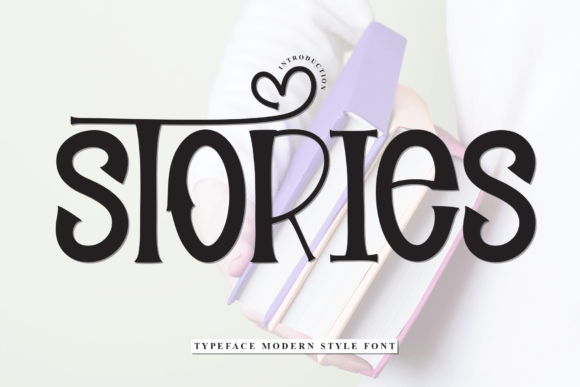
At its heart, Stories is a celebration of the human touch. It’s not a rigid, perfectly uniform script; it has the gentle irregularities and flowing connections of genuine handwriting. The letterforms are soft and rounded, with a sweet, playful vibe that feels both personal and approachable. Think of the friendly scrawl on a birthday card from a loved one or the elegant yet relaxed penmanship on a boutique product label. That’s the essence of Stories. It’s a typeface that doesn’t just sit on the page—it communicates a feeling of endearment and authenticity, making it an unparalleled fit for designs that aim to connect on an emotional level.
Where Stories Truly Comes Alive
Understanding a font's personality is one thing; knowing where to deploy it is another. Stories isn't a workhorse for body copy in a technical manual. Its strength lies in making a specific, heartfelt statement. For wedding stationery designers, it's a game-changer. Imagine it gracing the front of an invitation suite, setting a tone of romantic, handcrafted elegance before the envelope is even fully opened. It translates beautifully to save-the-dates, menu cards, and thank-you notes, creating a cohesive and deeply personal experience for guests.
Beyond weddings, its applications in branding and marketing are surprisingly versatile. A small-batch candle company, a local bakery, or a children's boutique could use Stories in their logo design to instantly convey a sense of handmade quality and care. It tells customers, "We put love into what we do." In the digital space, this expressive font shines in social media graphics. A quote overlay on an Instagram story, a special announcement post, or the header for a newsletter can be transformed from mundane to memorable. It stops the scroll not with loudness, but with a whisper of authenticity that feels rare in a crowded feed. For packaging design, using Stories on a product box or label can elevate a simple item into a charming gift, perfect for artisanal goods, cosmetics, or specialty foods.
Practical Guidance for Using a Handwritten Font
Choosing a creative font like Stories requires a bit of strategy to ensure it enhances, rather than hinders, your design. The first rule is context. Always evaluate the project's overall tone. Stories is perfect for projects that value warmth, fun, and personality. It might be less suitable for a law firm's annual report or a fintech app's user interface, where clarity and a sense of corporate stability are paramount.
Next, consider readability. As a display font, Stories is designed for headlines, titles, and short bursts of text. Its flowing, connected letterforms are beautiful at larger sizes but can become difficult to decipher in long paragraphs or at very small scales. A key part of modern typography is using type for its intended purpose. Use Stories for impact, and pair it with a highly legible serif font or sans serif font for body text. This creates a strong visual hierarchy, guiding the reader's eye and ensuring your message is both seen and understood. A classic sans serif like Lato or Montserrat provides a clean, stable counterbalance to the playful energy of Stories, making the overall layout feel balanced and professional.
Before you commit, always test the font with your actual content. Does the specific combination of letters in your brand name or headline look as good as the alphabet preview? Review all the included styles and alternates. Many premium fonts like Stories include stylistic sets or alternate characters that allow you to customize the look further, perhaps changing a specific letter to avoid awkward connections or to add a unique flourish. Finally, for any commercial project—from a client's logo to products for sale—ensure you have the correct commercial license. This is a non-negotiable step that protects you and respects the work of the type designer.
Elevating Your Brand Identity with a Signature Font
A font is a cornerstone of brand identity. The typefaces you choose become part of your visual signature, influencing how your audience perceives you before they read a single word of your mission statement. A handwritten font like Stories can be a powerful tool in your branding toolkit, but it should be used with intention. Overusing it can dilute its specialness and make a brand feel less serious. The key is strategic application.
Consider using Stories as a secondary or accent font. It could be the consistent typeface for all your quotes, call-to-action phrases, or section headers in your editorial design and blog posts. This creates a recognizable, friendly touchpoint across your content without sacrificing the readability of your main text. For a personal brand, like a coach, blogger, or influencer, it can be used more liberally to reflect a direct, conversational, and approachable persona. The goal is consistency. When your audience sees that distinctive, charming script across your website, your social media graphics, and your email headers, they begin to associate that warmth with your brand. It builds recognition and fosters a sense of connection that generic fonts simply cannot achieve.
In the end, design is about communication. Stories is more than just a collection of glyphs; it's a design asset that helps you communicate with heart. It’s for the entrepreneur who wants to show their customers they care, the designer crafting a moment of joy, and the crafter adding a final, personal touch. By choosing a font that embodies your project's spirit, you’re not just arranging letters on a page—you’re inviting your audience into a story they’ll want to be part of.