Brick Heart: The Casual Marker Font with Soul
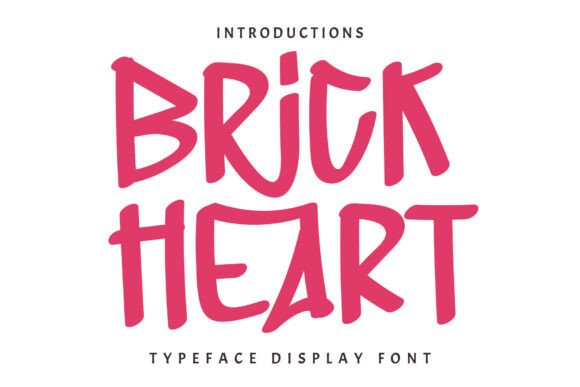
There's a particular charm in a font that feels like it was written by a real person in a real moment. That's the essence of Brick Heart. This isn't a sterile, geometric typeface born from perfect circles and straight lines. Instead, it captures the casual, confident stroke of a felt-tip marker, delivering a look that is both modern and endearingly imperfect. For creators focused on storytelling and personal expression, this display font offers an immediate sense of warmth and approachability. Its character lies in its subtle variations—the slight weight changes, the friendly curves that don't quite aim for mechanical perfection. This visual personality makes it a powerful tool for projects that need to feel human, relatable, and genuine.
Where This Creative Font Truly Shines
Understanding a font's strengths is key to using it effectively. Brick Heart excels in scenarios where you want to inject personality without sacrificing clarity. Its excellent legibility and friendly weight make it versatile for both titles and short blocks of text. Consider it for digital planners where a personal touch is valued, or for "quote of the day" graphics that need to feel inspirational yet casual. It's a natural fit for cozy café menus, DIY-style packaging, and YouTube thumbnails where a handcrafted aesthetic can stop a scroll. As a charming overlay on food photography, it adds a layer of storytelling, suggesting the recipe or the feeling behind the dish.
Beyond these obvious fits, think about brand identity for small businesses, especially those in the artisan, wellness, or lifestyle space. A boutique bakery, a local pottery studio, or a handmade soap company could use Brick Heart for their logo design, creating an immediate connection of craftsmanship and care. In editorial design, it can pull readers into a more intimate section of a magazine or blog, like a personal essay or a how-to guide. Its nature as a premium font means it carries the weight and consistency needed for commercial projects, ensuring your brand looks polished yet personable.
Making It Work: Practical Guidance for Your Projects
Choosing the right typeface is a strategic decision. Start by evaluating the emotional tone of your project. Does it call for warmth, creativity, and a touch of informality? If so, Brick Heart is a strong candidate. However, never skip testing. Set your actual headlines and any supporting text. View it at the size it will be used, whether on a mobile screen or a printed package. Its nature as a handwritten font means it pairs best with clean, simple companions. Try combining it with a neutral sans serif font for body copy or a classic serif font for a more editorial, high-contrast look. This font pairing creates a clear visual hierarchy, letting Brick Heart's personality shine without overwhelming the entire design.
Pay attention to the included styles and alternates. As a PUA-encoded typeface, Brick Heart gives you effortless access to all glyphs, swashes, and alternate characters. This is a significant advantage for logo design and social media graphics, where a unique letterform can make a wordmark more distinctive. For instance, you might swap out a standard 'a' or 't' for a stylistic alternate to avoid repetition and add flair. Always consider your medium. For web design, ensure the font renders crisply across browsers. For packaging design, test how it looks on different textures—its style is beautifully complemented by kraft paper, linen, or matte finishes, especially when paired with earthy color tones and hand-drawn illustrations.
Finally, clarify the licensing. Since Brick Heart is a commercial font, confirm that its license covers your intended use, whether for a client project, merchandise, or a digital product you plan to sell. Using a properly licensed font is a fundamental part of professional practice and protects your work. By thoughtfully integrating this creative font, you're not just adding letters to a page; you're infusing your work with a specific, cozy, and confident voice that audiences can connect with on a personal level. It’s a design asset that brings everyday creativity to the forefront, making your projects feel less manufactured and more authentically crafted.